

How a Cremation Service Helps Preserve Family Heritage
Cremation of Southern Maine helps preserve family heritage through thoughtful memorial planning. Call (207) 907-7318 for expert guidance and know your options.
The stories, traditions, and values passed between generations help define who we are, especially when we remember someone who shaped our family. When arranging a cremation service Scarborough, ME, we can make thoughtful choices that preserve those connections and give future generations meaningful ways to understand a loved one's life. Photographs, family stories, cultural customs, treasured belongings, and personal rituals can become lasting parts of remembrance while helping us maintain a sense of continuity during a time of change.
Heritage is not limited to ancestry or formal traditions. It can include the recipes we prepare, stories we repeat, values we practice, places we cherish, and everyday habits that remind us of someone.
Cremation of Southern Maine understands that remembrance can take many forms, giving us room to honor the personal and family connections that matter. By thinking carefully about what should be remembered and shared, we can create a tribute that respects the past while leaving something meaningful for generations still to come.
Stories Keep Family History Alive
Stories are among the most valuable parts of family heritage because they give names, photographs, and dates a human connection. We can preserve memories by encouraging relatives to share experiences about childhood, work, marriage, military service, holidays, hobbies, travel, and everyday family life.
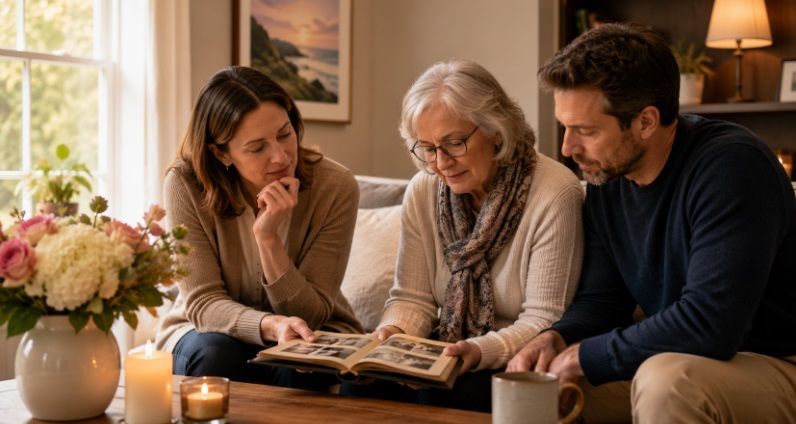
A memorial gathering can create a natural setting for those stories. One relative might remember a favorite saying, while another recalls a tradition that began decades earlier. Younger relatives may hear stories they have never heard before. Recording these memories in writing, audio, or video can keep them accessible long after the gathering ends.
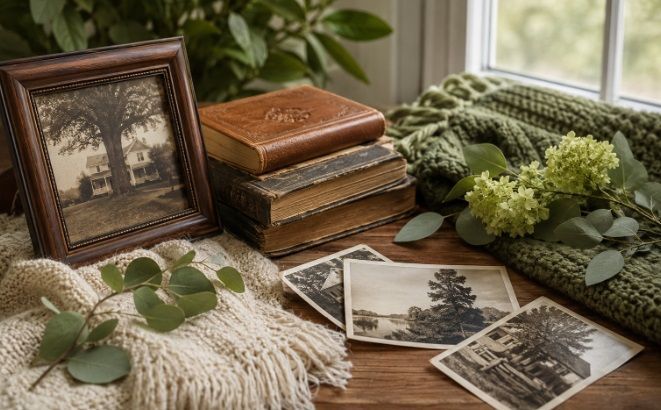
We can also preserve letters, photographs, recipes, journals, and other personal materials that reveal how someone lived. When these pieces are organized thoughtfully, they become more than possessions. They provide context for future generations who may otherwise know their relative only through a name on a family tree.
The goal is not to document every detail. Preserving a few meaningful stories can help us communicate personality, values, and relationships in ways that future generations can understand and carry forward.
Traditions Create Connections Across Generations
Family traditions can provide continuity after someone dies. A holiday meal, annual gathering, favorite song, religious practice, or special place may carry memories that have been built over many years.
Continuing those customs can help us maintain a connection while allowing traditions to develop naturally with each generation.
Some heritage traditions may also shape how we say goodbye. Cultural practices, prayers, readings, music, or private moments of reflection can give remembrance a familiar structure. A private family viewing before cremation may also be meaningful when that experience aligns with personal preferences or established family customs.
We can ask older relatives about traditions and their origins rather than assuming younger generations already know the stories behind them. A recipe becomes more meaningful when we know who first made it. A yearly gathering gains context when we understand why it began.
Preserving heritage does not require keeping every custom unchanged. We can retain the meaning behind a tradition while adapting how it is practiced. That balance allows remembrance to remain relevant while honoring the people who helped establish the family's shared identity.
Personal Objects Can Carry Powerful Stories
Objects can become tangible connections to family history when we understand the stories behind them. Jewelry, photographs, handwritten letters, military items, books, artwork, tools, quilts, recipes, or small household objects may carry memories that are difficult to replace.
We can think carefully about which belongings have genuine personal or historical significance. Instead of focusing only on material value, we can consider why an item mattered, who used it, and what story it tells. Adding written notes to photographs or creating a simple record of important belongings can preserve context for younger relatives.
Digital preservation can help as well. Scanning photographs, letters, and documents allows several relatives to retain copies without depending on a single physical collection. Recorded conversations with older relatives can capture voices and stories that written family records may overlook.
When immediate arrangements need attention, having a clear online cremation arrangement process can help us handle necessary decisions while leaving room to consider these personal forms of remembrance. Separating practical responsibilities from heritage planning gives us time to decide which memories and objects should remain part of the family's continuing story.
Memorial Choices Can Reflect Shared Values
Family heritage often includes values that cannot be placed in a photograph album. Generosity, faith, humor, perseverance, service, hospitality, and devotion to family may be among the qualities we most strongly associate with someone. A meaningful tribute can communicate those qualities through the choices we make.
If someone valued community service, we might continue a charitable tradition. If gathering around food was important, relatives might prepare familiar recipes when remembering them. Someone who loved nature may be remembered through time spent outdoors in a setting connected with family experiences. These choices can preserve values through action rather than simply describing them.
We can also invite different generations to participate. Children might create artwork or share a memory, while older relatives contribute stories that explain family history. This creates an exchange between generations and makes remembrance something shared rather than observed.
There is no requirement that every relative express remembrance in the same way. What matters is identifying the qualities that made a loved one's influence meaningful. When those values continue through our choices and relationships, heritage remains active. It becomes something we practice and pass forward instead of something that belongs only to the past.
Remembrance Can Continue Long After the Farewell
Preserving family heritage is an ongoing process. A memorial may create an important moment for reflection, but the stories and traditions connected with someone can continue for years. We can intentionally create opportunities for those memories to remain part of family life.
Photo books, digital archives, recorded stories, family recipes, genealogy records, and written recollections can all help. Annual traditions may also keep connections strong. Some relatives might gather on a meaningful date, prepare a favorite meal, support a cause, or simply spend time sharing stories.
As younger generations grow, we can explain why these practices matter. Children who were too young to know a relative personally can still develop a sense of connection through photographs, stories, and traditions. This is one reason preserving context is so important. Knowing why an object, custom, or story matters gives it meaning beyond nostalgia.
We do not have to preserve everything to preserve heritage effectively. A thoughtful collection of stories, traditions, and memories can communicate what mattered most. By sharing them intentionally, we help ensure that a loved one's influence remains understandable and meaningful across generations.
Preserving family heritage gives us a way to honor a loved one while keeping meaningful stories, traditions, and values connected to future generations. We can begin with the memories that best represent the person, then decide how photographs, customs, personal objects, and shared experiences can keep those connections alive. Cremation of Southern Maine can provide respectful guidance through the practical decisions, while our answers to common cremation questions can help us better understand the process. For professional guidance, call (207) 907-7318 and know your options when planning a cremation service Scarborough, ME that respects both personal remembrance and family heritage.
Blogs